
| Growth | Marketing | Tech ...
June 16, 2026
CAC vs LTV: The Only Metrics That Matter for D2C Growth in 2026
CAC vs LTV: The Only Metrics That Matter for D2C Growth in 2026
D2C brands track dozens of metrics.
Traffic.
Clicks.
Followers.
Engagement rates.
But when it comes to sustainable growth, most of these numbers are secondary.
The two metrics that truly determine whether a D2C business can scale profitably are Customer Acquisition Cost (CAC) and Customer Lifetime Value (LTV).
In 2026, rising ad costs and increasing competition mean that brands can no longer afford growth at any cost.
Understanding the relationship between CAC and LTV has become essential for long-term profitability and scalable growth.
#/.HashSlash→

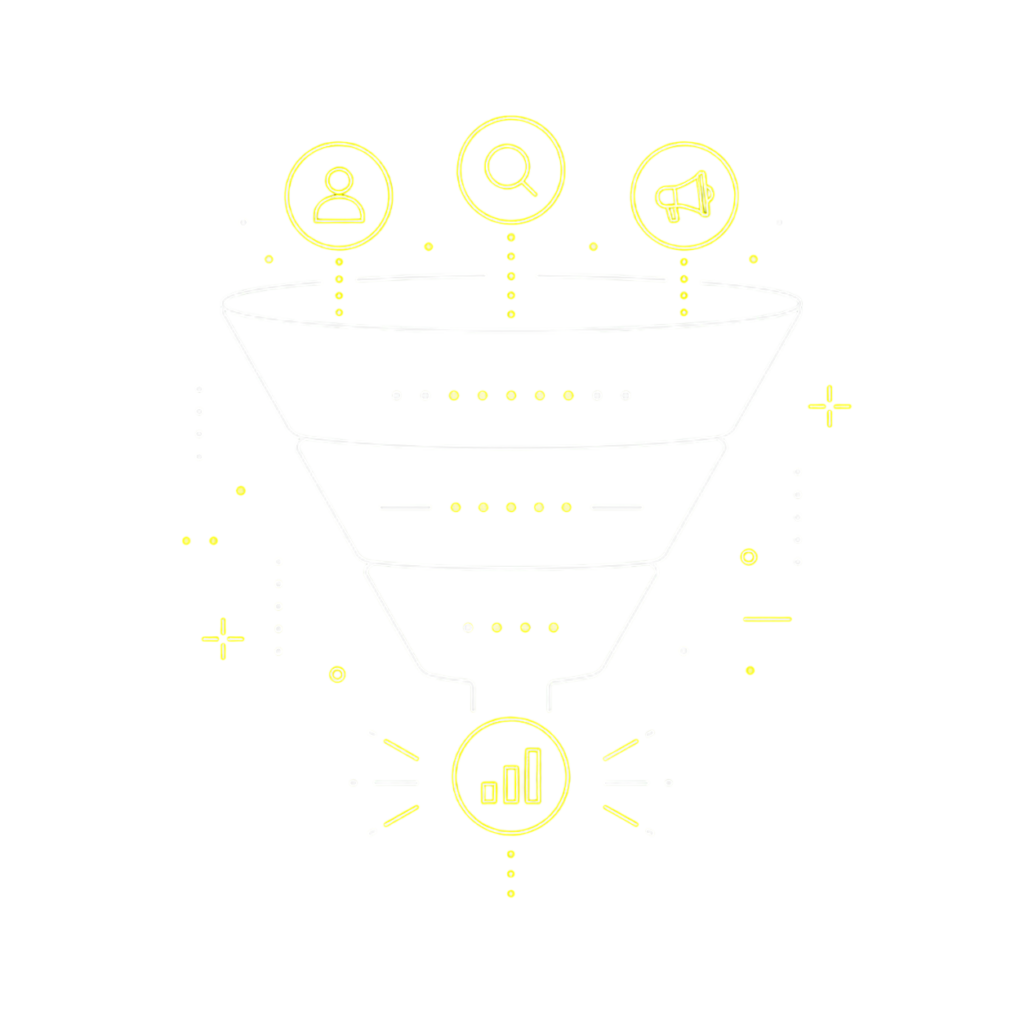






What Is (CAC)
Customer Acquisition Cost ?
Customer Acquisition Cost measures how much a business spends to acquire a new customer.
It includes costs such as:
• Paid advertising
• Marketing campaigns
• Sales expenses
•Agency fees
• Software and acquisition tools
A lower CAC generally means a business can acquire customers more efficiently and profitably.
What Is (LTV)
Customer Lifetime Value ?
Customer Lifetime Value represents the total revenue a customer generates throughout their relationship with a brand.
LTV is influenced by:
• Average order value
• Purchase frequency
• Customer retention
• Subscription renewals
• Upsell and cross-sell performance
A higher LTV means each customer delivers greater long-term value to the business.
Why CAC vs LTV Matters
More Than Any Other Metric
Revenue growth alone does not guarantee profitability.
A brand acquiring customers for ₹2,000 who generate only ₹1,500 in lifetime value will eventually struggle, regardless of sales volume.
The goal is simple:
LTV must significantly exceed CAC.
When customer value consistently outweighs acquisition costs, businesses gain the ability to scale predictably and profitably.
What Is a Healthy CAC to LTV Ratio?
Many growth-focused businesses target an LTV:CAC ratio of at least 3:1.
This means every ₹1 spent acquiring a customer generates ₹3 or more in lifetime value.
General benchmarks include:
• Below 1:1 → Unsustainable
• 2:1 → Moderate efficiency
• 3:1 → Healthy growth
• 4:1 or higher → Strong profitability
The ideal ratio varies by industry, business model, and growth stage.
How D2C Brands Can Reduce CAC
Reducing acquisition costs often creates immediate profitability improvements.
Effective strategies include:
• Improving conversion rates
• Optimising paid advertising campaigns
• Strengthening SEO and organic traffic
• Leveraging referral programs
• Using marketing automation
Lower acquisition costs allow brands to scale more efficiently.
How D2C Brands Can Increase LTV
Increasing customer value often creates greater long-term growth than acquiring more customers.
Common approaches include:
• Customer retention programs
• Subscription models
• Loyalty initiatives
• Personalised marketing
• Cross-selling and upselling strategies
Small improvements in retention can significantly increase profitability over time.
The Biggest Mistakes
D2C Brands Make
Many businesses focus heavily on acquisition while ignoring retention.
Common mistakes include:
• Scaling ad spend without tracking profitability
• Ignoring repeat purchase behaviour
• Measuring revenue instead of customer value
• Overlooking retention metrics
• Making decisions based on vanity metrics
Sustainable growth requires balancing acquisition efficiency with customer lifetime value.
Why CAC and LTV
Will Define D2C Success in 2026
As advertising costs continue rising, brands can no longer rely solely on customer acquisition for growth.
The most successful D2C businesses are building systems that maximise customer value while improving acquisition efficiency.
In 2026, competitive advantage will belong to brands that understand not just how to acquire customers, but how to retain and grow them profitably.
CONCLUSION
While businesses track countless growth metrics, CAC and LTV remain the clearest indicators of long-term success.
Brands that optimise acquisition costs and maximise customer lifetime value create a foundation for profitable, sustainable growth.
If you're looking to improve D2C growth performance through data-driven strategy and automation,
Contact Hash-Slash today →
STOP TESTING.
START SCALLING
Growth systems, launches, SEO, performance, and digital execution from the HashSlash team.